
 1. What’s the next big innovation or development in the built environment that you’re most looking forward to?
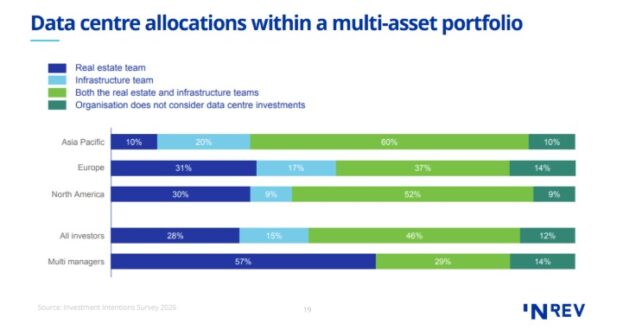
I believe the most transformative development will be the convergence of sustainability, energy systems, and digital infrastructure, and particularly the rise of data centers as a core institutional asset class. The INREV Investment Intentions Survey 2026 shows that investors now consider data centers a distinct allocation within multi‑asset portfolios. This reflects the acceleration of AI, cloud needs, and the demand for resilient digital infrastructure.
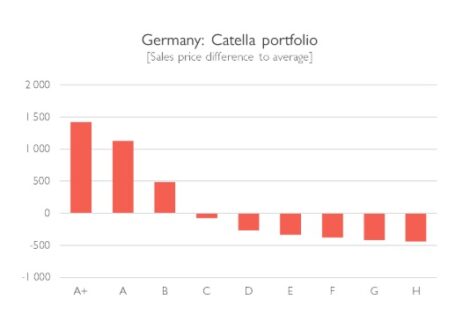
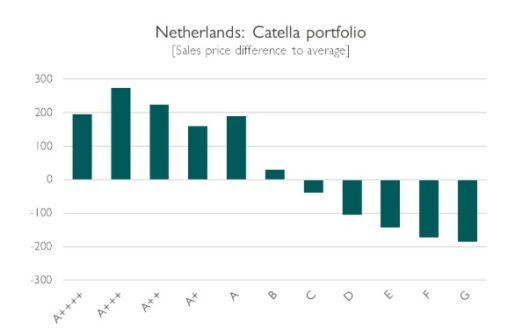
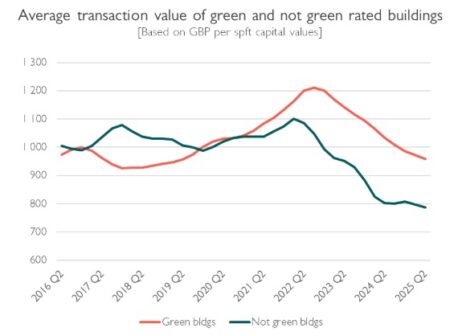
Another shift is that the financial value of sustainability is now measurable. Our internal Catella research demonstrates a clear green premium in both residential and office markets. In Germany and the Netherlands, higher energy labels translate into higher achieved prices.
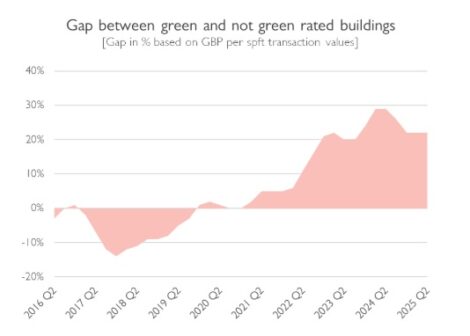
We see the same in offices: certified London office buildings have consistently outperformed non-certified ones over time, and a widening value gap has emerged.
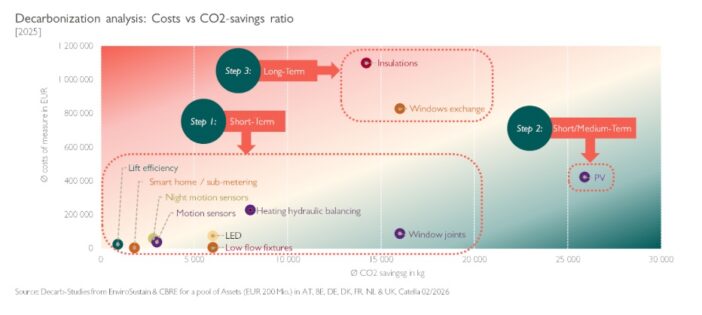
Finally, digital tools that integrate energy efficiency, carbon intensity, and physical climate risk into underwriting are maturing rapidly. This gives us much more precise decarbonization pathways for existing assets.
2. What have younger team members pushed you to rethink?
Younger colleagues have had a meaningful influence on how we lead and operate:
A stronger insistence on transparency and evidence: They expect decisions to be data‑driven, whether in sustainability assessments, underwriting assumptions, or tenant strategies. This has accelerated our transition toward more granular analytics and real‑time data use.
Technology as part of every workflow: Automation, ESG data tools, machine‑learning‑supported modeling – these are no longer “innovations” to them but hygiene factors. Their expectations push us to modernize processes more rapidly.
Integrating purpose with profitability: They view long-term value creation, social purpose, and climate responsibility as inseparable. This aligns strongly with evolving investor expectations and enhances our ability to attract both talent and capital.
3. Which part of your business process do you think AI will struggle to replace?
AI will enhance many workflows, but several aspects of real estate remain fundamentally human.
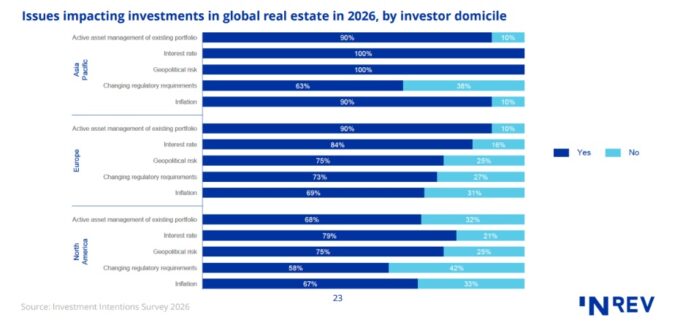
One challenge lies in the complexity of stakeholder management. Repositioning/conversion an existing asset or development requires alignment across municipalities, tenants, lenders, and planning authorities, each with their own constraints and incentives. AI can model scenarios and support analysis, but it certainly cannot replace the human judgment, negotiation skills, and leadership needed to bring these parts together. Active asset management emerges in INREV 2026 findings as one of the top issues shaping global real estate performance – precisely because real value is unlocked through human‑led decision-making and stakeholder coordination.
Equally, the relationship-driven nature of institutional real estate remains distinctly human. Trust, shared conviction, and long-term partnership building cannot be automated or replicated by any model. AI may streamline communication and provide insights, but strategic decision-making, especially under uncertainty, depends on human experience, intuition, and the ability to build meaningful relationships that underpin successful investment outcomes.
4. What’s changed in how you recruit compared to five years ago?
Our recruitment priorities have shifted in several ways:
Today, data and analytics capabilities are essential, not optional. We expect candidates to be comfortable with digital tools, ESG data, and complex modeling.
We also require sustainability literacy. Candidates must understand energy efficiency, regulation, climate risk, and the implications for value creation. This reflects the growing importance of the green premium, brown discount, and regulatory headwinds documented in our research.
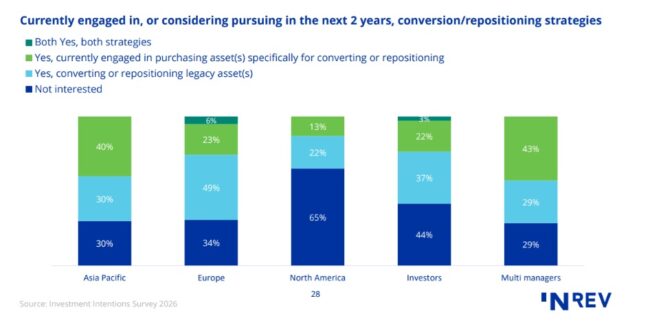
Furthermore, we now hire from broader academic backgrounds – engineering, environmental sciences, policy, data science – because repositioning assets demands interdisciplinary expertise. This trend is reinforced by rising investors’ focus on conversion and repositioning strategies.
Finally, we look for a strong international mindset. With Europe hosting many of the world’s most preferred real estate markets, we need people who can operate across borders and navigate different regulatory and cultural landscapes.
5. For existing assets, where do you see the biggest gap between sustainability ambition and practical delivery, and how can resilience and green investments move from compliance to real long‑term value creation?
One of the biggest gaps between sustainability ambition and practical delivery is that the real estate sector is far more operationally fragmented than most high‑level commitments acknowledge. Portfolios typically span different cities, regulatory environments, asset vintages, and technical conditions, which means the starting point for each building varies significantly. Some markets face stricter sustainability expectations and faster‑moving regulations, while others remain more flexible (as illustrated in the data below) . These differences make it difficult to apply a single roadmap or uniform timeline across an entire portfolio, even when the ambition at company or investor level is clear.